

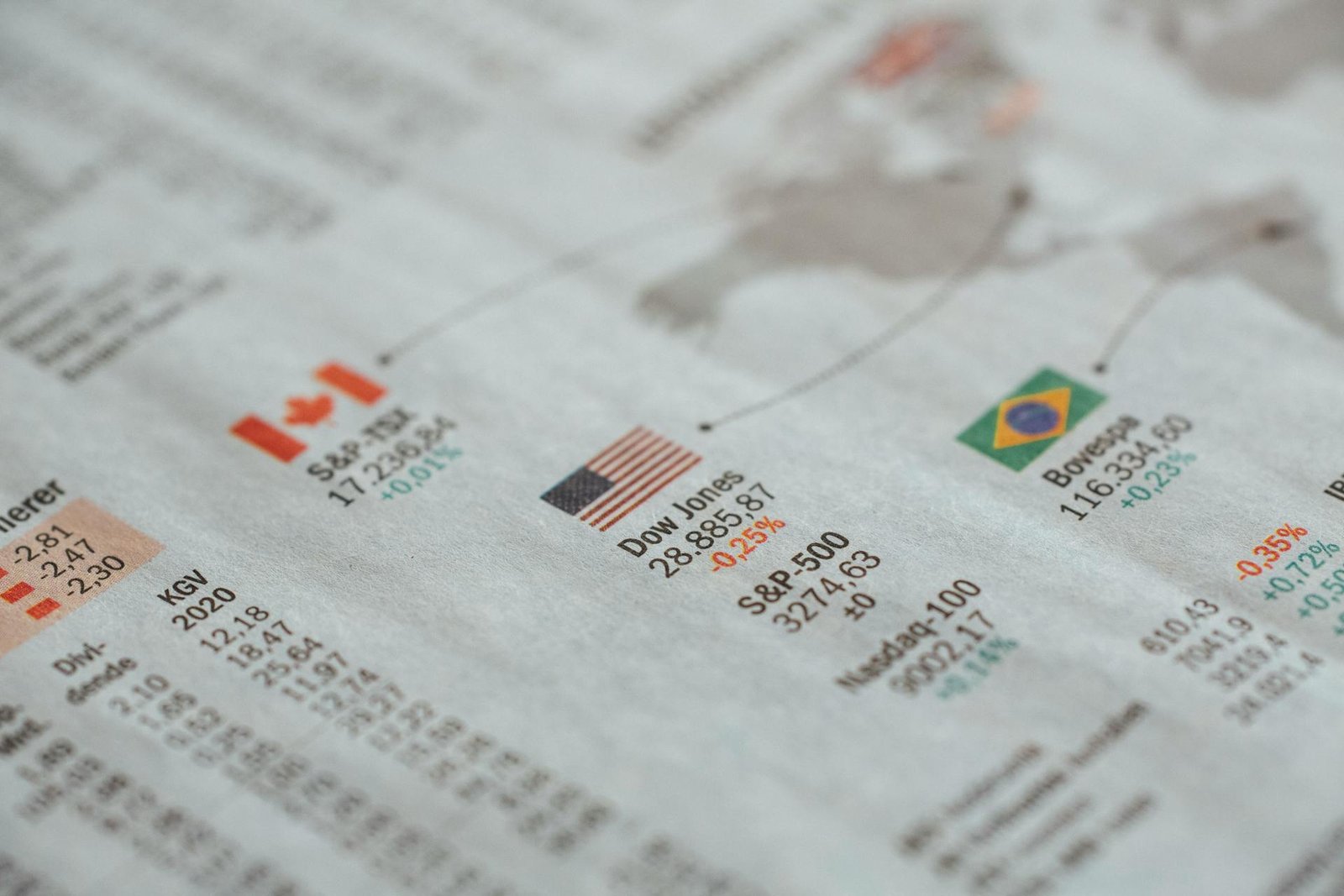
Investing in international markets can seem intimidating at first. We may be comfortable investing in our local stock market, but expanding into other countries opens up new opportunities for growth, diversification, and exposure to different economies.
We all want our investments to grow steadily and protect our savings from risks. By investing internationally, we can benefit from global trends, emerging markets, and industries not available in our home country. However, international investing requires research, planning, and understanding the risks involved. Knowing where to start, what to consider, and how to track investments abroad helps us make informed choices.
Why Invest Internationally
Investing internationally has several advantages. First, it allows for diversification. By holding investments in different countries, we reduce dependence on the economic performance of our home country. If one market struggles, gains in other countries can offset losses.
Second, international markets can offer growth opportunities not found at home. Emerging markets often grow faster than developed markets, and certain industries may be stronger in specific countries. For example, technology and manufacturing companies in Asia or natural resource companies in South America can provide unique investment opportunities.
Third, currency fluctuations can offer both opportunities and risks. A stronger foreign currency can increase returns when converting profits back to our home currency, while a weaker currency may reduce gains. Understanding how currency impacts investments is an important part of international investing.
Understanding the Risks
Investing internationally also comes with risks. Political instability, regulatory changes, and economic fluctuations can affect investments. Some countries have less transparent financial reporting or weaker legal protections for investors, which increases risk.
Currency risk is another important factor. Exchange rates can change daily, and these fluctuations can impact returns. For example, even if a foreign stock performs well in local currency, a decline in that currency relative to our own can reduce overall gains.
Liquidity risk should also be considered. Some international markets may have lower trading volumes, making it harder to buy or sell investments quickly. Taxes and fees may also differ, depending on the country and type of investment.
How to Access International Markets
There are several ways to invest internationally. One of the simplest ways is through mutual funds or exchange-traded funds (ETFs) that focus on international stocks or bonds. These funds pool money from many investors to invest in companies abroad, providing instant diversification and professional management.
Another method is buying individual stocks of foreign companies. Many large companies from around the world are listed on U.S. exchanges as American Depositary Receipts (ADRs). ADRs allow us to invest in foreign companies without dealing directly with foreign exchanges.
For more advanced investors, direct investment on foreign exchanges is possible through international brokerage accounts. This provides access to a wider range of companies but requires more knowledge, research, and awareness of local regulations and taxes.
Choosing the Right International Investments
When selecting international investments, consider geography, industry, and risk level. Emerging markets can offer high growth potential but may be volatile. Developed markets are generally more stable but may have slower growth.
Diversification across regions reduces risk. Investing in multiple countries, industries, and asset types spreads exposure and protects the portfolio from country-specific events.
We should also evaluate the financial health of individual companies, economic indicators, and market trends. Understanding the business environment, political climate, and currency outlook helps make informed investment choices.
Using Funds and ETFs
International mutual funds and ETFs are an excellent option for beginners. They provide instant diversification, professional management, and lower risk than buying individual foreign stocks.
Funds focused on emerging markets or specific sectors allow targeted exposure to growth opportunities. Some funds also hedge currency risk, which protects investors from fluctuations in exchange rates. Costs and fees should be considered, as higher fees can reduce net returns over time.
Managing Currency Risk
Currency movements can affect investment returns. To manage this risk, we can invest in funds that hedge currency exposure. Hedged funds use strategies to protect against currency fluctuations, reducing the impact on returns.
Alternatively, we can accept currency risk as part of the investment. Long-term investors may benefit if the foreign currency strengthens over time. Awareness and monitoring are key to understanding how currency impacts portfolio performance.
Tax Considerations
International investments can have tax implications. Dividends or interest from foreign stocks may be subject to withholding taxes in the country of origin. We may also owe taxes in our home country.
Some countries have tax treaties to reduce double taxation, but understanding the rules is essential. Consulting a tax professional or financial advisor can help navigate these complexities and maximize net returns.
Tracking and Monitoring International Investments
Just like domestic investments, international investments need regular monitoring. Track performance in both local currency and our home currency to understand the real returns.
Review economic news, political developments, and market trends in the countries where we invest. Stay informed about corporate earnings, industry changes, and global events that may impact investments.
Regular rebalancing ensures that the international portion of our portfolio remains aligned with goals and risk tolerance. Adjust allocations as needed to maintain diversification and balance across regions.
Practical Examples
Consider an investor who wants to diversify beyond the U.S. They allocate a portion of their portfolio to an emerging market ETF focused on Asia, while another portion goes to a European dividend-focused fund. By combining these with domestic investments, the investor gains exposure to growth opportunities abroad while maintaining stability at home.
Another investor chooses ADRs of large international companies in technology and consumer goods. This allows direct investment in foreign companies without needing to navigate foreign exchanges. They track currency movements and adjust holdings periodically to optimize returns.
A third example involves a long-term investor using a mix of international mutual funds and ETFs. Contributions are made regularly, dividends are reinvested, and the portfolio is reviewed annually to ensure alignment with goals. Over time, global exposure enhances diversification and growth potential.
Benefits of International Investing
Investing internationally provides access to new opportunities, spreads risk across countries, and allows participation in global economic growth. Currency exposure can increase returns, and international funds or ADRs provide easy access for beginners.
It also teaches valuable lessons about global markets, economics, and investment strategy. By understanding how different markets operate, investors become more informed, confident, and prepared for long-term wealth-building.
Quick Summary
| Aspect | Explanation |
|---|---|
| International Investments | Stocks, bonds, or funds from foreign countries |
| Access Methods | ETFs, mutual funds, ADRs, or direct foreign accounts |
| Diversification | Spreading investments across countries and sectors reduces risk |
| Currency Risk | Currency fluctuations can impact returns; hedging is an option |
| Tax Considerations | Foreign dividends and gains may be taxed; check tax treaties |
| Monitoring | Track performance in local and home currency, review global news |
| Rebalancing | Adjust allocations periodically to maintain portfolio balance |
| Benefits | Access to growth opportunities, global diversification, currency exposure |
| Practical Examples | Combining domestic and international funds or ADRs for growth |
| Strategy | Research, plan, and invest consistently for long-term results |
Conclusion
Starting to invest in international markets can expand opportunities and strengthen a portfolio. By understanding the risks, choosing the right accounts and investments, managing currency exposure, and monitoring regularly, investors can make informed decisions.
International investing is not only for experts. With careful planning, research, and disciplined strategy, anyone can participate in global markets and benefit from diversification, growth potential, and exposure to industries not available at home.