

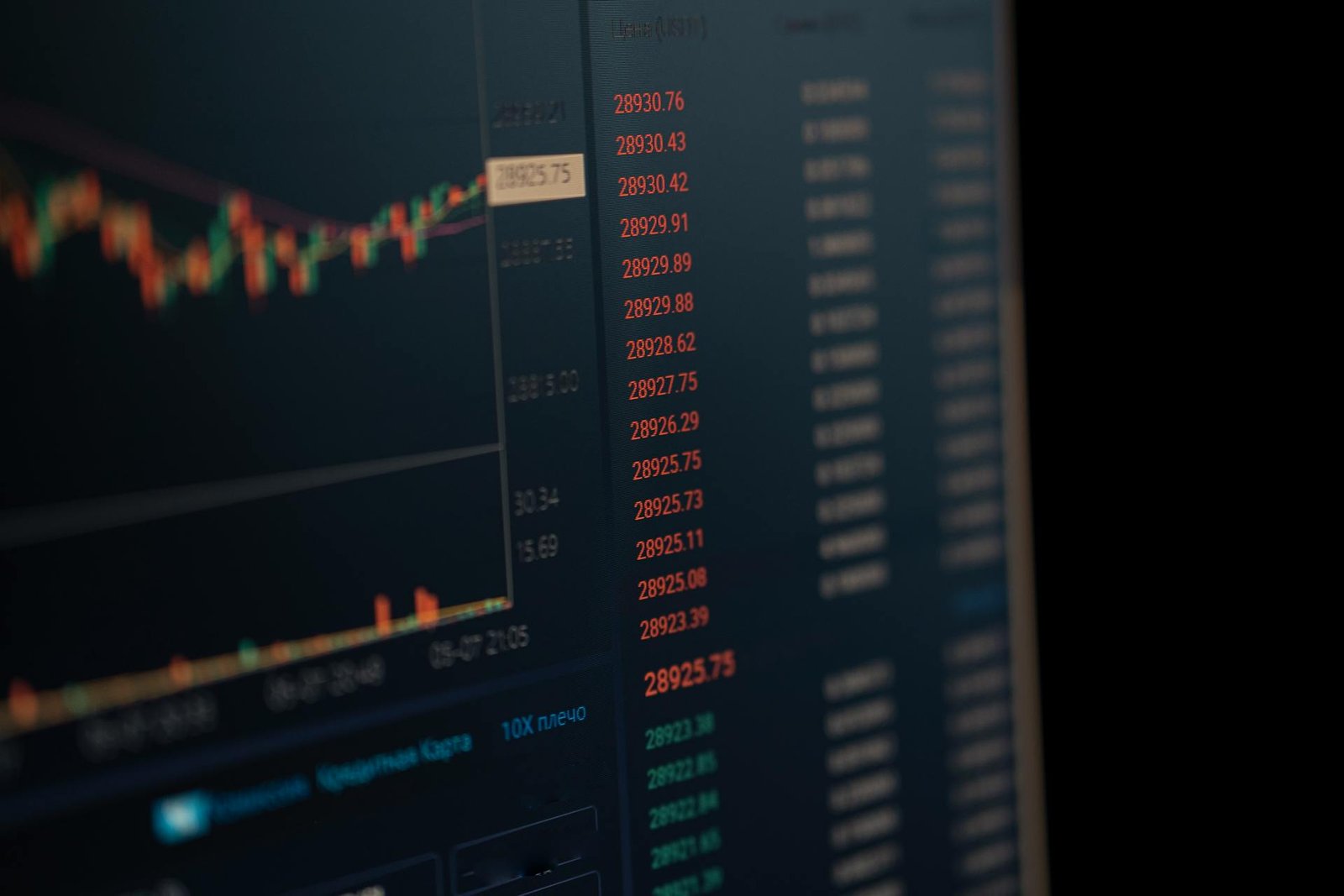
Monitoring investments is important because it shows if a portfolio is meeting our financial goals. Regular review makes it clear whether we are on track for retirement, buying a home, or paying for other big expenses. It also points out investments that are not doing well, giving us a chance to act before losses grow.
Watching our investments is also important for managing risk. If too much money is placed in one sector or asset type, we can make changes to spread it out more evenly. By staying aware of shifts in the market or economy, we can protect our money and avoid unpleasant surprises.
Setting Investment Goals
Before tracking investments, we must define our goals. Are we saving for short-term needs, like a vacation, or long-term goals, such as retirement? Short-term goals often require safer investments, while long-term goals can handle more risk and volatility.
Having clear goals allows us to measure performance effectively. We can compare our actual returns with the expected outcomes and determine whether adjustments are necessary. Without goals, tracking is less meaningful because we have nothing to measure against.
Organizing Your Investment Portfolio
Organizing a portfolio is the first step in effective tracking. We need to know what we own, how much we invested, and the current value of each asset.
Start by listing all investments, including stocks, bonds, mutual funds, ETFs, and alternative assets like real estate or cryptocurrency. Record the purchase price, number of shares or units, and date of acquisition.
Categorizing investments by type, sector, or risk level helps us see where our money is concentrated. This makes it easier to identify areas that need adjustment and maintain a balanced portfolio.
Tools for Tracking Investments
Several tools can help monitor investments efficiently. Online brokerages often provide dashboards with real-time updates, portfolio summaries, and performance metrics.
Investment apps and websites allow us to track multiple accounts in one place, offering visual charts and alerts for significant changes. Spreadsheets can also be useful for manual tracking and customized analysis.
Some investors use automated alerts to notify them of price movements, dividend payments, or portfolio changes. These alerts help stay informed without checking accounts constantly, reducing stress and preventing emotional decisions.
Key Metrics to Track
To monitor investments effectively, we need to focus on key metrics. The total value of the portfolio shows overall performance, while the return on investment (ROI) measures gains or losses relative to the amount invested.
Other important metrics include annualized returns, dividend income, and yield. For bonds, interest payments and maturity dates are crucial. Tracking fees and expenses helps ensure costs do not erode returns.
Regularly reviewing asset allocation is also important. The mix of stocks, bonds, and other assets should reflect our goals and risk tolerance. If one category grows too much, rebalancing may be necessary to maintain the desired balance.
Monitoring Individual Investments
While overall portfolio performance is important, monitoring individual investments is equally critical. We need to check company fundamentals, industry trends, and news that may affect stock or fund performance.
For bonds, tracking interest payments, credit ratings, and maturity dates ensures they continue to meet expectations. For mutual funds and ETFs, reviewing management performance and underlying holdings helps assess continued suitability.
Monitoring does not mean reacting to every small change. Daily price movements are normal and should not trigger impulsive decisions. Focus on long-term trends and fundamentals to make rational choices.
Regular Review Schedule
Establishing a schedule for reviewing investments keeps tracking consistent and effective. Monthly or quarterly reviews allow us to assess performance, make adjustments, and plan future actions without being overwhelmed.
During reviews, check for alignment with goals, changes in asset allocation, and performance of individual investments. Take notes on any decisions made and the reasoning behind them. This record helps improve decision-making over time.
Rebalancing Your Portfolio
Rebalancing is an essential part of investment tracking. Over time, some assets may grow faster than others, causing the portfolio to drift from the original allocation. Rebalancing restores balance by selling some of the overperforming assets and buying underperforming ones.
This process reduces risk and ensures that the portfolio remains aligned with goals. Rebalancing does not have to be frequent; doing it quarterly or annually is sufficient for most investors.
Avoiding Emotional Decisions
Monitoring investments can sometimes trigger fear or excitement. Seeing gains may tempt us to sell too early, while losses may cause panic selling. Keeping a disciplined approach and sticking to a strategy helps avoid these emotional mistakes.
Use clear rules for buying, selling, and rebalancing. Automated alerts or a pre-defined plan reduce impulsive decisions and improve long-term results.
Using Technology Wisely
Investment technology can simplify tracking, but it is important to use it wisely. Mobile apps and dashboards provide quick insights, but we should avoid obsessing over short-term fluctuations.
Automated tracking tools can help visualize portfolio performance, calculate metrics, and monitor trends. Combining technology with human judgment ensures decisions are informed, rational, and aligned with goals.
Learning From Performance
Tracking investments is not just about monitoring; it is also about learning. Review past decisions to understand what worked and what did not. Learning from successes and mistakes helps improve future investment choices.
Keeping a journal of decisions, reasons, and outcomes allows us to see patterns in behavior and refine strategy over time. This approach makes investing more disciplined and less stressful.
Benefits of Effective Monitoring
Effective tracking provides several benefits. It helps maintain alignment with financial goals, identify risks, and optimize returns. Monitoring also builds confidence, reduces stress, and improves decision-making.
Investors who track regularly are better prepared for market changes and more likely to make rational, informed decisions. Over time, this discipline can lead to greater wealth accumulation and financial security.
Practical Examples
Consider an investor with a mix of stocks, bonds, and funds. By reviewing the portfolio quarterly, the investor notices that tech stocks have grown faster than expected, increasing risk. Rebalancing brings the allocation back to the original plan, reducing exposure to potential volatility.
Another investor tracks dividends and interest payments. By reinvesting dividends into additional shares, the investor increases long-term returns and benefits from compounding.
A third investor uses alerts for price changes but focuses on long-term trends. Short-term fluctuations do not trigger emotional reactions, and the portfolio grows steadily over time.
Quick Summary
| Aspect | Explanation |
|---|---|
| Portfolio Organization | List all investments, track purchase prices, categorize by type |
| Tools | Use broker dashboards, apps, websites, and spreadsheets for tracking |
| Key Metrics | Monitor portfolio value, ROI, dividend income, yields, and fees |
| Monitoring Schedule | Review investments monthly or quarterly |
| Rebalancing | Adjust allocation to maintain original risk and goal alignment |
| Avoiding Emotional Decisions | Stick to rules, focus on long-term trends, avoid impulsive moves |
| Learning from Performance | Keep a record of decisions and outcomes to improve strategy |
| Technology | Use apps and alerts wisely, combine with human judgment |
| Risk Management | Diversify and monitor underperforming assets |
| Benefits | Aligns investments with goals, builds confidence, and improves long-term returns |
Conclusion
Monitoring and tracking investments effectively is essential for achieving financial goals. By organizing a portfolio, using the right tools, focusing on key metrics, and maintaining a disciplined approach, investors can make informed decisions, reduce risk, and grow wealth over time.
Effective tracking is not about checking accounts constantly but about reviewing, learning, and adjusting thoughtfully. By combining knowledge, technology, and consistent habits, we can take control of our investments and improve long-term results.