

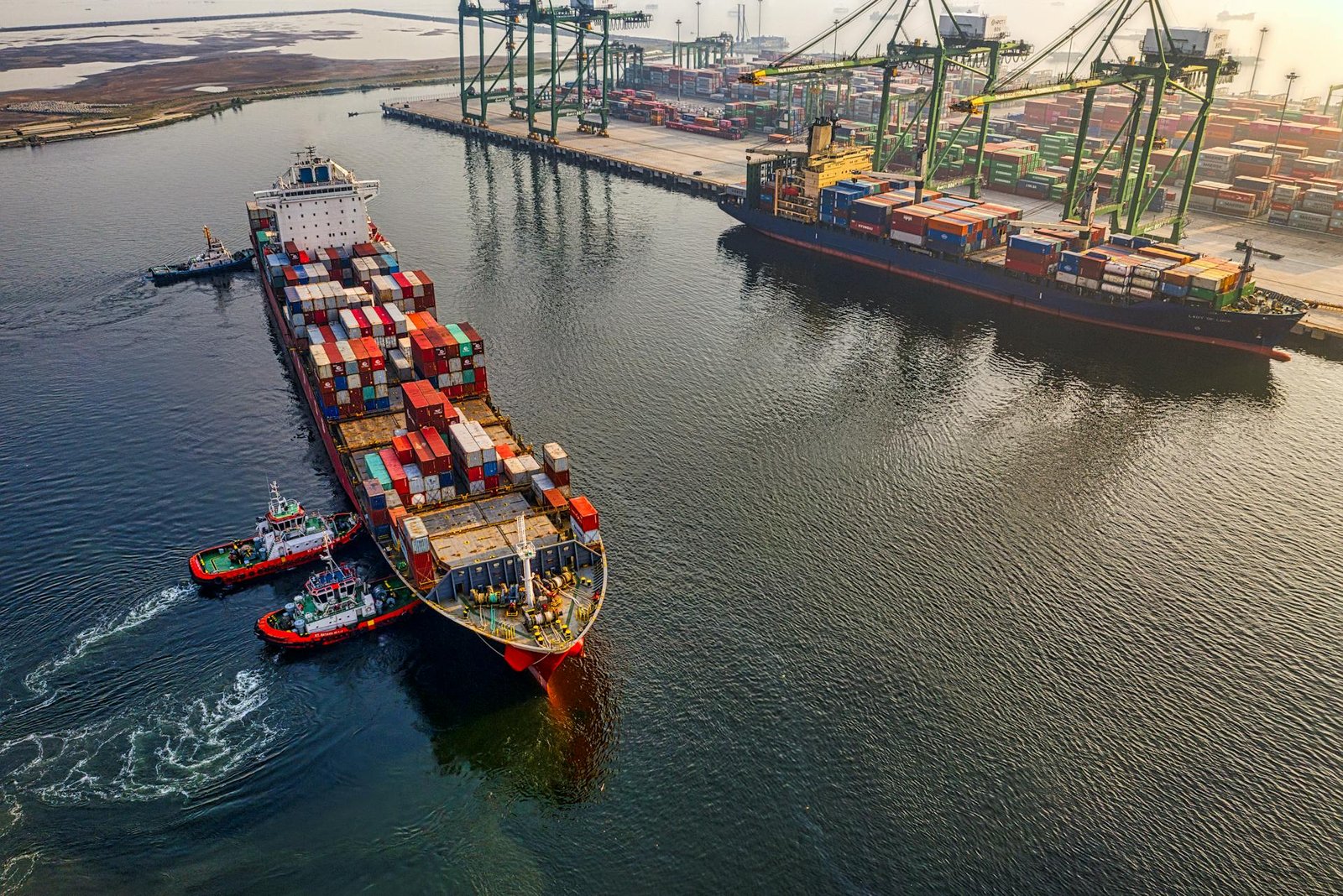
Global trade is one of the strongest forces influencing modern economies. Every time a country imports or exports goods and services, it creates a chain of economic effects that reach businesses, workers, and consumers. From the food we eat to the technology we use daily, global trade determines availability, prices, and growth opportunities.
In today’s interconnected world, no economy operates in complete isolation. Whether it is raw materials shipped from Africa, cars manufactured in Japan, or software developed in India, trade creates linkages that help economies grow. Yet, it also comes with challenges such as competition, trade imbalances, and political disputes.
This article will explain how global trade works, its benefits, its challenges, and how it impacts economies differently depending on their size, resources, and role in international markets.
The Basics of Global Trade
Global trade occurs when countries exchange goods, services, and capital. Nations import products that are scarce or costly to produce locally, and they export goods where they have an advantage. This creates efficiency, variety, and economic growth.
For example, oil-exporting countries sell fuel to others who lack natural reserves, while importing technology or agricultural products. Similarly, countries with advanced manufacturing capabilities export high-value products like airplanes or electronics, while buying raw materials from resource-rich regions.
The key idea is comparative advantage. This principle explains that even if one country can produce everything more efficiently, it benefits from specializing in what it does best and trading for the rest.
The Benefits of Global Trade
Economic Growth: Trade opens larger markets for businesses, allowing them to expand beyond their national borders. Exporting firms can produce at higher volumes, benefit from economies of scale, and reinvest profits into innovation and job creation.
Consumer Choice: Global trade gives consumers access to more products at competitive prices. A person in Europe can buy coffee from South America, electronics from Asia, and fashion from North America. This variety improves living standards and lowers costs.
Job Creation: International trade often creates jobs in industries tied to exports such as manufacturing, shipping, logistics, and finance. In developing economies, trade can be a powerful driver of employment growth and poverty reduction.
Technology Transfer and Innovation: Trade encourages knowledge sharing and innovation. Companies exposed to global competition are more likely to invest in research and adopt best practices to stay competitive.
The Challenges of Global Trade
Trade Imbalances: When a country imports far more than it exports, it develops a trade deficit. Persistent deficits can weaken domestic industries and put pressure on national currencies.
Unequal Gains: While trade increases overall wealth, the benefits are not always evenly distributed. Some sectors grow while others shrink, leading to job losses in industries that cannot compete with cheaper imports.
Dependency Risks: Relying too heavily on global supply chains can be risky. Events such as natural disasters, political conflicts, or pandemics can disrupt flows of essential goods like food, medicine, or energy.
Trade Wars and Protectionism: Governments sometimes impose tariffs or quotas to protect local industries. While this may help domestic producers, it can lead to retaliation from trading partners and reduce overall efficiency in the global economy.
Global Trade and Developing Economies
For developing countries, trade can be both an opportunity and a challenge. On one hand, it provides access to international markets, investment, and technology. Export-driven growth has lifted millions out of poverty in countries such as China, Vietnam, and South Korea.
On the other hand, developing economies often depend heavily on a few commodities or industries. Fluctuations in global prices or reduced demand can destabilize their economies. In addition, weaker industries may struggle to compete against stronger global firms.
Global Trade and Developed Economies
Developed nations benefit from trade by accessing cheap labor, raw materials, and diverse products. Many industries in advanced economies focus on high-value exports such as machinery, pharmaceuticals, or financial services.
However, global trade has also contributed to job losses in certain sectors, particularly manufacturing. Workers displaced by outsourcing or foreign competition may face difficulties transitioning to new industries. This has fueled political debates and protectionist movements in some countries.
Trade Agreements and Institutions
International organizations and trade agreements help regulate global trade. The World Trade Organization (WTO), regional blocs like the European Union (EU), and free trade agreements like NAFTA (now USMCA) create rules that reduce barriers and promote fair competition.
While these agreements increase efficiency, they are often debated. Supporters argue that free trade boosts growth, while critics say it may weaken national sovereignty or hurt vulnerable industries.
Global Trade and Financial Markets
Trade flows are closely linked to financial markets. Strong exports increase foreign exchange reserves and strengthen currencies. Conversely, large deficits may weaken investor confidence.
Stock markets also respond to trade news. Companies heavily involved in exports, such as technology or automotive firms, often see stock prices rise when trade conditions improve. On the other hand, tariffs or trade restrictions can lower stock valuations.
Bond markets may also be affected, as trade surpluses or deficits influence government borrowing needs and international capital flows.
Real World Examples
China’s Export Boom: Over the past four decades, China has grown into the world’s largest exporter. Its manufacturing-driven model lifted hundreds of millions out of poverty and made China a central player in global supply chains. However, it also created tensions with other countries concerned about trade imbalances and unfair practices.
The U.S. Trade Deficit: The United States has long run large trade deficits, importing more than it exports. While this has given U.S. consumers access to cheap goods, it has also fueled debates about lost manufacturing jobs and reliance on foreign production.
COVID-19 and Supply Chains: The pandemic highlighted vulnerabilities in global trade. Disruptions in shipping and shortages of critical goods like medical supplies showed how deeply economies depend on global supply chains. Many countries are now reconsidering how much they should rely on imports for essential products.
What Comes Next in Global Trade
Global trade is evolving with technology, digitalization, and shifting geopolitics. E-commerce platforms allow even small businesses to reach international customers. At the same time, automation and regional trade deals are changing how goods are produced and moved.
Sustainability will also play a growing role. As climate concerns rise, countries and companies are under pressure to reduce the environmental footprint of global supply chains.
Trade is unlikely to disappear, but it may become more regionalized, with countries relying more on nearby partners to reduce risks.
Quick Summary
| Aspect | Positive Impact of Trade | Negative Impact of Trade |
|---|---|---|
| Economic Growth | Boosts GDP and investment | May cause imbalances if growth depends on few exports |
| Consumers | More variety, lower prices | Vulnerable to supply disruptions |
| Jobs | Creates export-related employment | Can cause job losses in uncompetitive sectors |
| Businesses | Larger markets and innovation | More competition and pressure on weaker firms |
| Developing Economies | Access to markets and technology | Overdependence on a few commodities |
| Developed Economies | Access to resources and efficiency | Outsourcing and job displacement |
| Financial Markets | Strong exports support currencies and stocks | Trade deficits can weaken markets |
| Politics | Encourages cooperation through agreements | Risk of protectionism and trade wars |
Conclusion
Global trade is a powerful driver of growth, innovation, and consumer choice. It creates opportunities but also presents challenges that require careful management. For developing nations, trade can be a lifeline to prosperity. For advanced economies, it is a source of efficiency and variety but also social and political debate.
Understanding how global trade works helps us make sense of market movements, job trends, and even political discussions. As the world becomes increasingly interconnected, trade will remain central to shaping the global economy.