

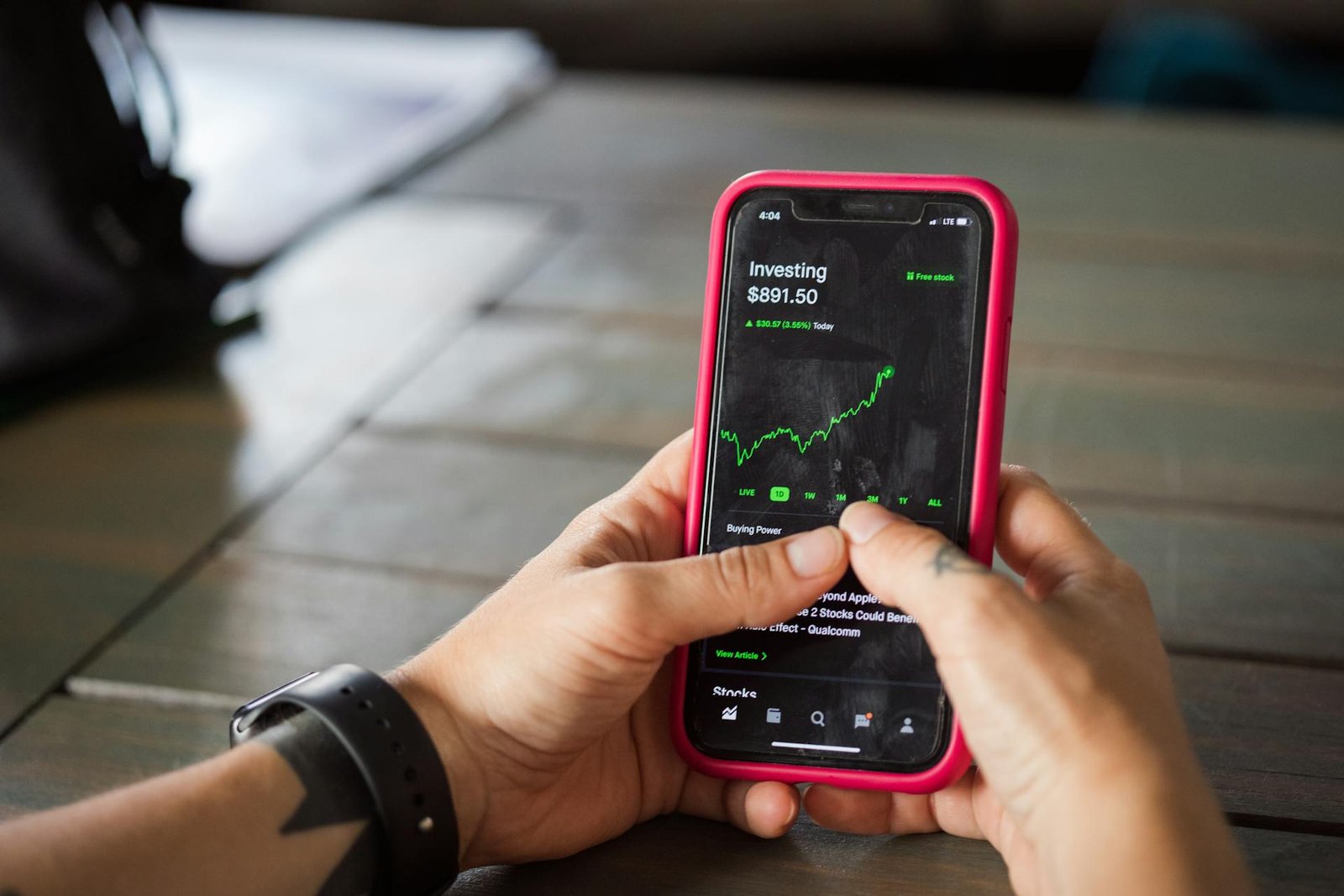
Money management is something we all deal with, yet it has often been complicated, confusing, or time-consuming. Not too long ago, keeping track of finances meant balancing checkbooks, calling banks for balances, or waiting for monthly statements to arrive in the mail. Today, things are very different. Thanks to fintech, or financial technology, we now have tools that make managing money easier, faster, and even more enjoyable.
Fintech tools have grown rapidly over the last decade. From budgeting apps that link directly to bank accounts to investment platforms that allow us to trade from our phones, fintech has transformed how we save, spend, invest, and plan for the future. These tools not only save time but also help us make better financial decisions.
In this article, we will look at the most impactful fintech tools available today and explore how they can change the way we manage our money.
Budgeting Apps That Keep Spending Under Control
Budgeting used to mean writing numbers down in notebooks or spreadsheets. While those methods can still work, fintech has made the process much simpler with budgeting apps. These apps connect directly to our bank accounts and credit cards, automatically tracking spending and categorizing it into groups like food, rent, or entertainment.
Apps such as Mint, YNAB (You Need A Budget), and PocketGuard give us clear insights into where our money goes. They can send alerts when we overspend, remind us of upcoming bills, and help us set savings goals. By using a budgeting app, we can see patterns in our spending and adjust quickly.
For many people, this is the first step toward financial stability. Once we see exactly how much we spend on dining out, subscriptions, or unnecessary purchases, it becomes easier to make changes.
Mobile Banking That Makes Life Easier
Mobile banking has become a normal part of everyday life. With just a phone, we can check balances, transfer money, pay bills, or even deposit checks. Banks now design apps to be simple and user-friendly, reducing the need to visit branches in person.
Some newer digital-only banks, often called “neobanks,” such as Chime, Monzo, and N26, offer even more features. These banks may provide free accounts with no hidden fees, early access to paychecks, or tools that automatically set aside savings.
Mobile banking makes money management more convenient. Instead of waiting in line or calling a bank, we can handle transactions in seconds from almost anywhere.
Payment Apps That Replace Cash
Carrying cash or writing checks is becoming less common because payment apps make it so easy to transfer money. With apps like PayPal, Venmo, Cash App, or Zelle, sending money to friends or splitting bills is quick and safe.
Payment apps are especially useful for small daily expenses. We can pay back a friend for lunch instantly, share rent with a roommate, or even send money abroad without expensive fees. Some apps also allow us to request payments, making it easier to track who owes what.
For businesses, payment tools like Square or Stripe make it simple to accept card payments, even for small vendors or freelancers. These tools have opened new opportunities for people who might not have been able to accept digital payments before.
Investment Platforms That Make Trading Simple
Investing used to feel intimidating. It often meant calling brokers, paying high fees, or needing large amounts of money to start. Fintech has changed that by offering online investment platforms that are easy to use and affordable.
Apps like Robinhood, E*TRADE, and Webull allow us to invest in stocks, ETFs, or cryptocurrencies with just a few taps. Many platforms have no commission fees, making it possible to invest small amounts without losing money to charges.
For those who want a more hands-off approach, robo-advisors such as Betterment and Wealthfront create personalized investment portfolios and automatically adjust them over time. These tools make investing accessible for beginners and convenient for experienced investors.
Saving Apps That Automate the Process
Saving money is often difficult because it requires discipline. Fintech apps have found ways to make saving automatic and painless. Apps like Acorns round up purchases to the nearest dollar and invest the spare change. Digit analyzes our spending habits and moves small amounts of money into savings without us even noticing.
Some banking apps include automatic savings features where a portion of income or purchases goes directly into a savings account. This removes the temptation to spend and helps us build financial cushions over time.
When saving becomes automatic, it feels less like a chore and more like a natural part of daily life.
Personal Finance Dashboards That Show the Big Picture
Managing money is not only about tracking one account at a time. Many of us have multiple bank accounts, credit cards, loans, and investments. Personal finance dashboards bring all this information into one place.
Tools like Personal Capital or Quicken show everything in a single view, from debts to investments. They give us insights into our net worth, spending habits, and future financial projections. Having a complete overview helps us make smarter long-term decisions.
Instead of guessing how much progress we are making, dashboards allow us to see everything clearly.
Cryptocurrency Wallets and Exchanges
Cryptocurrencies like Bitcoin and Ethereum are no longer niche. They have become part of mainstream conversations about money. Fintech tools make it easier to buy, store, and trade these digital assets.
Exchanges such as Coinbase, Binance, or Kraken allow us to purchase cryptocurrencies using regular money. Digital wallets provide a secure place to store them. Some apps even allow us to earn interest on crypto holdings or use them for payments.
While crypto can be risky due to volatility, fintech tools have made access simple for everyday users who want to explore this new world of finance.
Apps for Debt Management
Debt is one of the biggest challenges for many people in their 30s and 40s. Fintech tools can help make debt repayment more manageable. Apps like Tally or Unbury.me help us organize debt, create repayment strategies, and automate payments.
Some tools suggest whether to focus on high-interest debts first or pay off smaller ones to build motivation. By visualizing progress and automating payments, these apps make debt repayment less overwhelming.
Tools for Credit Monitoring
Credit scores affect many parts of life, from renting apartments to buying cars or homes. Fintech apps like Credit Karma or Experian provide free access to credit reports and scores. They also offer suggestions for improving credit, such as paying down balances or avoiding hard inquiries.
Some apps send alerts when there are changes to a credit report, which helps protect against identity theft. Having access to this information gives us more control over our financial health.
Expense Tracking for Freelancers and Small Businesses
Freelancers and small business owners often struggle to track expenses, invoices, and taxes. Fintech tools like QuickBooks, FreshBooks, and Wave are designed to solve this problem.
These apps allow users to send invoices, track business expenses, and prepare for taxes more easily. Many also integrate with payment apps and bank accounts, keeping everything connected. For entrepreneurs, having these tools can save hours of manual work and reduce stress during tax season.
International Money Transfer Apps
Sending money abroad has traditionally been expensive and slow. Fintech companies like Wise (formerly TransferWise), Remitly, or Revolut have changed this by offering fast and affordable international transfers.
These apps often use real exchange rates, unlike banks that add hidden fees. They also provide transparency, showing exactly how much money will arrive and how long it will take. For families sending remittances or travelers paying abroad, these tools save both time and money.
Tools for Financial Education
Good financial habits come from knowledge. Fintech has made financial education more accessible with interactive apps, podcasts, and online lessons. Apps like Zogo or LearnVest turn financial education into short lessons or quizzes, making learning more engaging.
Some banking and investment apps also include built-in learning sections, helping us understand terms, strategies, and risks before we make financial moves. Education-focused tools empower people to make smarter decisions without relying on trial and error.
Why Fintech Matters for Everyday Life
Fintech is not only about convenience. It’s about giving us control over our money. These tools make financial management less intimidating and more transparent. They allow us to build savings, reduce debt, grow investments, and understand our finances better than ever before.
Most importantly, fintech puts powerful tools in our hands regardless of income level. We no longer need to be wealthy or work with expensive advisors to access features that help us make smart choices.
Quick Summary
| Category | Examples of Tools and Apps | How They Help With Money Management |
|---|---|---|
| Budgeting Apps | Mint, YNAB, PocketGuard | Track spending, set goals, control overspending |
| Mobile Banking | Chime, Monzo, N26 | Manage accounts, transfers, and bills from a phone |
| Payment Apps | PayPal, Venmo, Cash App, Zelle | Send and receive money quickly and securely |
| Investment Platforms | Robinhood, Webull, Betterment | Trade stocks or use robo-advisors for long-term investing |
| Saving Apps | Acorns, Digit | Automate saving through round-ups or habit analysis |
| Personal Finance Dashboards | Personal Capital, Quicken | Combine all accounts for a full financial overview |
| Cryptocurrency Tools | Coinbase, Binance, Kraken | Buy, store, and trade digital currencies |
| Debt Management Apps | Tally, Unbury.me | Organize debt repayment and automate progress |
| Credit Monitoring | Credit Karma, Experian | Track credit scores and protect against identity theft |
| Business Finance Tools | QuickBooks, FreshBooks, Wave | Track expenses, invoices, and prepare for taxes |
| Money Transfer Apps | Wise, Remitly, Revolut | Send money abroad quickly and with lower fees |
| Financial Education Tools | Zogo, LearnVest | Learn financial concepts through interactive lessons |
Conclusion
Managing money no longer has to feel overwhelming. Fintech tools have made it possible to track spending, save automatically, invest with ease, and even explore new areas like cryptocurrency. From budgeting apps to international money transfers, each tool gives us more control and freedom in our financial lives.
By adopting these technologies, we can save time, reduce stress, and build stronger financial habits. The key is to explore the options, choose the tools that fit our needs, and use them consistently. With the right fintech tools, managing money becomes simpler and more effective than ever before.